
Setting up your own kegerator or home draft beer system is one of the most satisfying upgrades a beer enthusiast can make. But if you want smooth pours, steady carbonation, and a system that lasts, you’ll need more than just a fridge and a keg.
Here are the five essential components every home kegerator needs—plus one important safety tip most guides forget to mention.
1. CO₂ Cylinder (Hydro Tested & Certified)
A CO₂ cylinder is what powers your draft system. It provides the pressure needed to push beer from the keg through the lines to your faucet—and also keeps your beer carbonated inside the keg.
In Canada, all CO₂ cylinders must be hydro tested every 5 years to ensure safety. Over time, pressure cylinders can degrade, and testing ensures the tank can still hold pressure without risk of rupture.
In Ottawa, you can get your cylinder tested and refilled by certified local providers like Rapid CO₂. Look for tanks stamped with a valid hydro test date near the neck. If it’s expired, your refill may be denied until the tank is tested.
Learn more about hydro testing here:
CSA B339 Cylinder Compliance Cheat Sheet
2. Dual-Gauge CO₂ Regulator
Your CO₂ regulator is what controls the pressure delivered to the keg. A dual-gauge model shows both the tank pressure (how much CO₂ is left) and the output pressure (PSI going to the keg).
This allows you to fine-tune carbonation levels and avoid over-pressurizing your keg, which can lead to foamy pours or even safety risks.
3. Keg Coupler (Connector)
This is the part that attaches to your keg and allows CO₂ to flow in while beer flows out. Different kegs require different couplers:
D-Type (American Sankey) – most common for commercial kegs in North America
Ball Lock / Pin Lock – used for homebrew Cornelius (Corny) kegs
Be sure your coupler matches your keg type. For home brewers using Corny kegs, ball lock fittings are the most common.
4. Beer and Gas Lines
Flexible food-grade tubing is used to carry gas to the keg and beer to the faucet. You’ll want:
CO₂ gas line: usually red or clear
Beer line: usually clear and slightly thicker
Proper tubing length and diameter help regulate flow and prevent foaming. Secure all connections with clamps to avoid leaks.
5. Faucet and Tap Tower or Shank
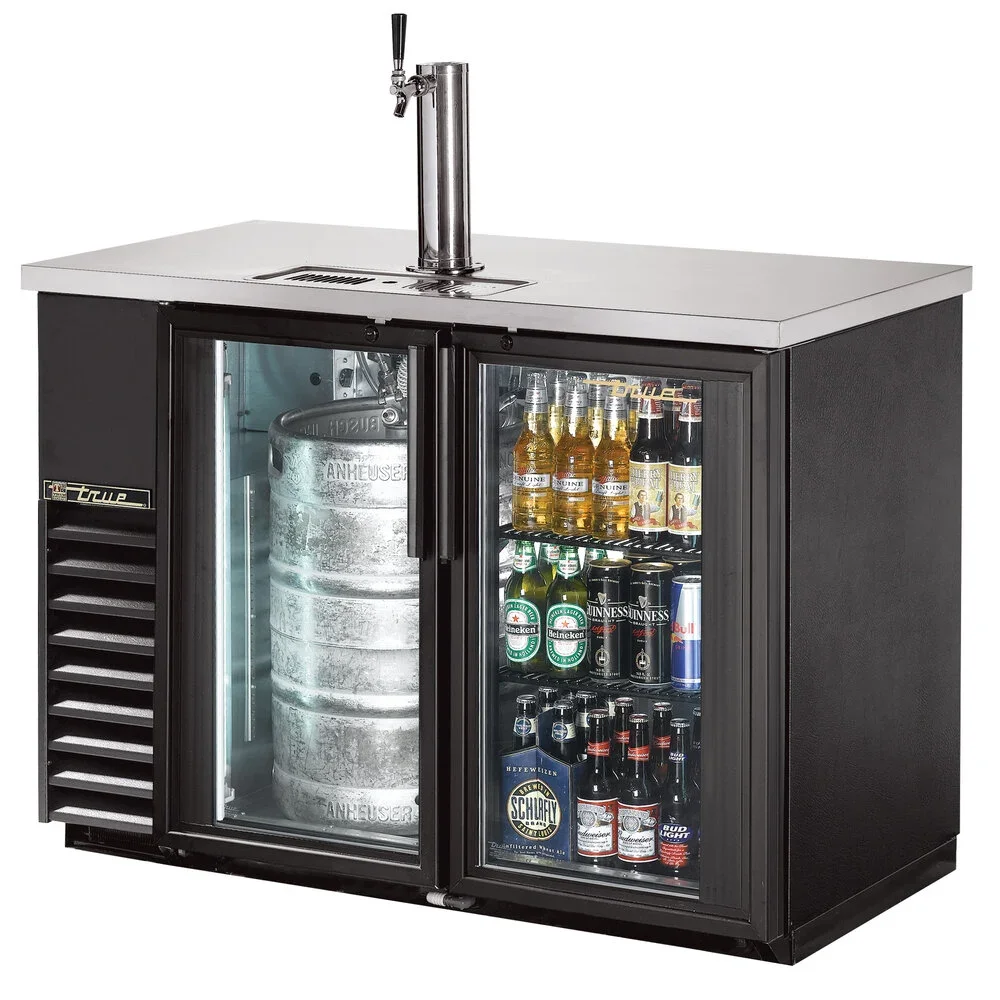
This is what you pour from—either through a tap tower (for top-mounted setups) or a shank and faucet for fridge door installations.
Look for faucets made from stainless steel for durability and cleanliness. If installing through a fridge wall, be sure to seal any holes and insulate the lines to prevent warm spots.
Bonus Tips for a Clean, Reliable Setup
Always keep your CO₂ tank upright and secure
Sanitize your beer lines and faucet regularly
Check for leaks using a soapy water spray on connections
Rapid CO₂ is Ottawa’s trusted local source for home keg system CO₂ refills, cylinder sales, and hydro testing. Whether you’re setting up your first system or maintaining a long-running build, we’ve got the supplies and service to keep your draft beer flowing safely and consistently.
For questions or service, call 613-299-8412.
